
The Story Behind Heather T-Shirts and How they Got their Name
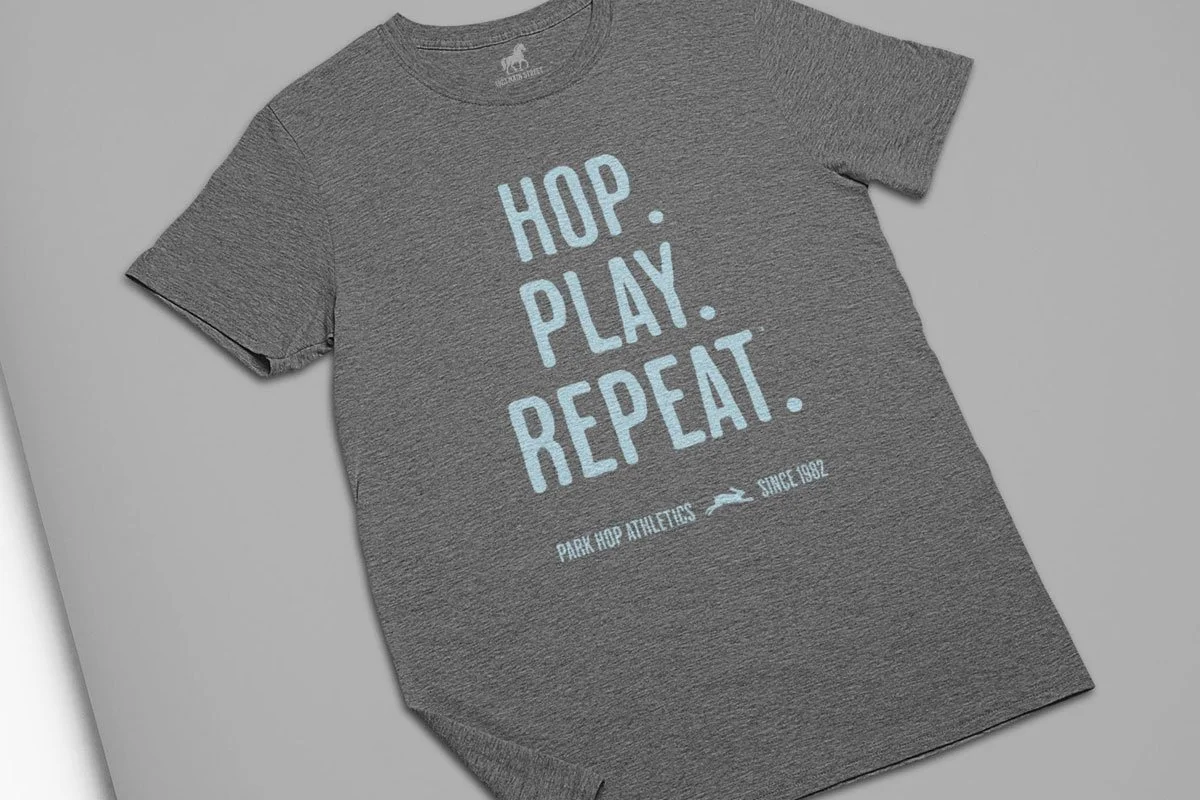
Why heather tees and hoodies are still a go-to across skate, snow and surf
At 1923 Main Street®, we tend obsess over clothing details that most people overlook. Fabric is definitely one of them.
A t-shirt is not just a t-shirt when you live between concrete, snow, and saltwater. One of the most quietly timeless pieces in board-sports apparel is the heather t-shirt—a staple that has survived trends, seasons, and subcultures.
We don’t use them a lot in our designs, but when we do, it is with intention. Heather tees are still around in skate, snow, and surf apparel for a reason. They look effortless, feel broken-in from day one, and perform better than they get credit for. But where did they come from, and why do they still matter?
The backstory may surprise you.
Listen to this Story on the 1923 Main Street® Podcast
What is a Heather T-Shirt?
Ever wondered exactly what is a heather t-shirt?
A heather t-shirt is made from yarns of multiple colours blended together before the fabric is knit. Instead of a flat, solid colour like traditional t-shirts, the result is a subtle, textured, and slightly mottled appearance. It’s pretty unique and very distinct because that visual “depth” is not a print—it’s built into the fabric itself.
Most heather tees use a blend of fibres, commonly cotton mixed with polyester or rayon. The different fibres accept dye in different ways, which creates the signature speckled look.
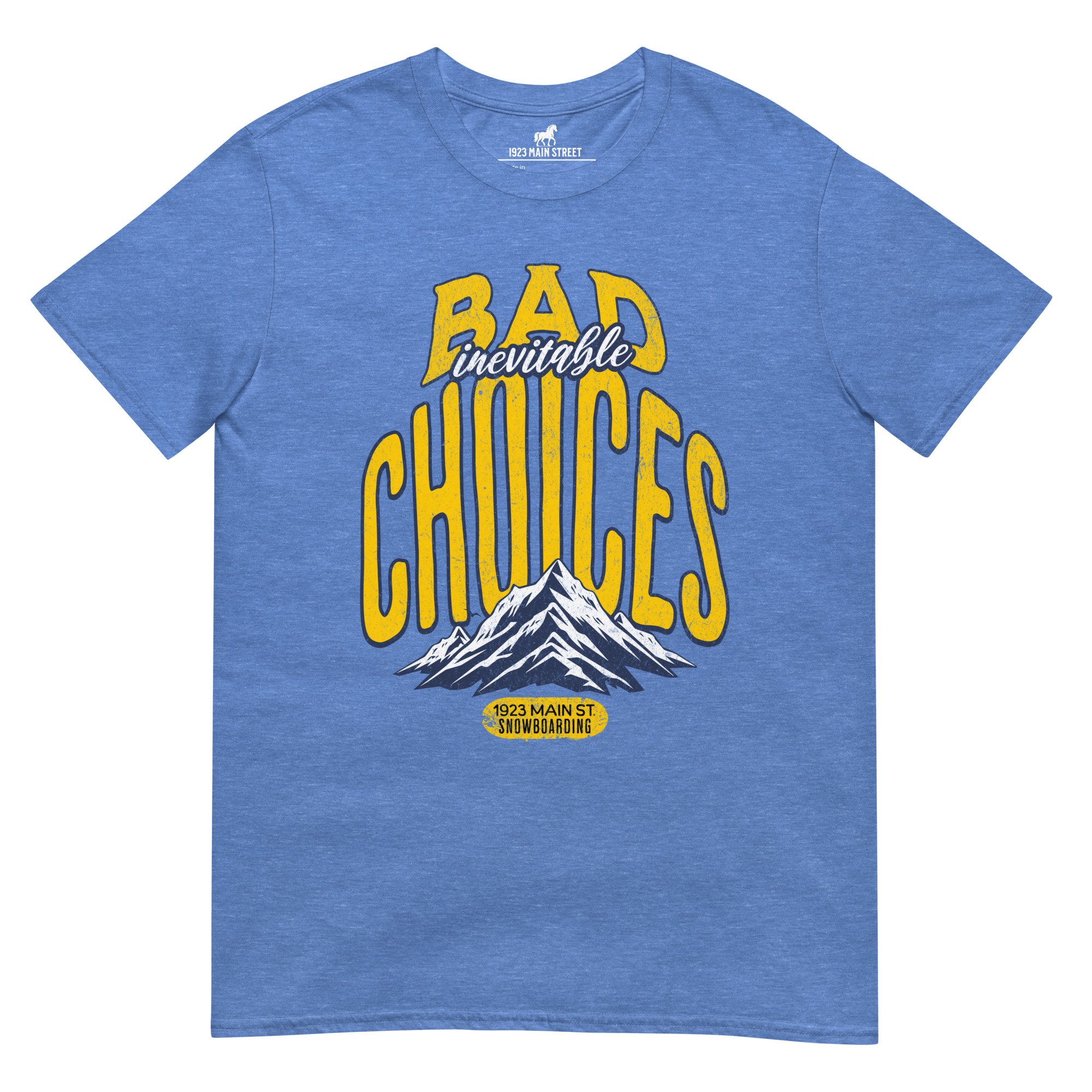
Bad Choices Inevitable Snowboarding Tee, Heather Royal.
Where Did Heather T-Shirts Come From?
Heather fabric did not start as a fashion choice. It wasn’t created by someone looking for a cool t-shirt canvas. It started as a solution.
In the early days of athletic wear, manufacturers blended fibres to improve durability, stretch, and breathability. The mixed-fibre yarns created colour variations by accident. What began as a manufacturing byproduct quickly became a recognizable look.
By the mid-20th century, heather fabrics showed up in gym gear, surf tees, and workwear. When skateboarding and snowboarding exploded in the 1970s and 1980s, those communities adopted heather tees naturally. They were affordable, tough, comfortable, and already looked worn-in—perfect for people who cared more about function than polish.
Why Is It Called “Heather”?
Ever heard of a heather plant? Well, the term heather comes from the heather plant, which is a low-growing shrub native to Scotland, Ireland, and parts of Northern Europe. Heather naturally grows in mixed, muted tones—purples, greys, greens, and browns—often blending together in a speckled, uneven way when seen across hillsides. Get the idea?
Early textile makers noticed something familiar with the fabric.
When different coloured fibres were blended together before spinning, the finished yarn had the same soft, variegated look as heather-covered landscapes. Instead of a flat, uniform colour like a standard cotton tee, the fabric showed depth and subtle variation—just like the plant.
So the name stuck.
How the Name Translated to Fabric
Originally, “heathered” described:
· Blended yarns made from multiple colours
· Natural-looking greys and muted tones
· Fabric that did not look dyed flat or artificial
Heather grey is probably the most common version that people know (think athletic shirts). It came from mixing undyed cotton with darker fibres, which also made production cheaper and more consistent. That’s the very practical reason why heather fabrics first showed up in workwear and athletic wear (including hoodies).

Gear Up Get Lost surf t-shirt in Heather Slate.
Why the Heather Name Still Fits Today
Even now, a heather t-shirt is loved for those same original qualities:
· It looks organic, not perfect
· It has visual texture, not flat colour
· It ages in a way that feels natural and earned
That is why the term works so well in skate, snow, and surf culture. Heather fabric mirrors how boards, gear, and clothes actually live—used, worn, and shaped by experience.
Why Heather T-Shirts Work for Board Sports
Heather tees are not just about aesthetics. They perform in ways solid-colour shirts often do not. [link to that post]
1. Comfort From the First Wear
Heather blends are softer than 100% cotton tees right out of the box. They drape more naturally, move with your body, and skip the stiff “new shirt” phase. That matters whether you are pushing through the streets or layering up for spring riding, though it may not be what you want either.
2. Better Breathability
Blended fibres allow for better airflow and moisture management. Heather t-shirts tend to feel lighter and less clingy, which is ideal for long skate sessions, surf checks, or travel days (especially in hot, humid weather—though you may remember my rant).
3. Forgiving Wear and Tear
Falls happen. Griptape rips happens. Shirts get caught on stuff. Heather fabric hides small scuffs, stretch marks, and wears better than flat, solid colours. It ages well in that regard, which is a big reason many people like them.
4. Easy Layering
For snowboarders and surfers, heather tees work well as a base or mid-layer. They add warmth without bulk and do not feel restrictive under hoodies, flannels, or jackets.
Style Without Trying Too Hard
Heather t-shirts live in that middle ground between clean and lived-in. They add visual texture and can really complement the right graphic (they work really well with a distressed look).
That subtle depth pairs well with:
Faded denim
Chinos or work pants
Hoodies and crews
Board shorts or snow pants
For brands like 1923 Main Street®, heather tees also make graphics feel more integrated. Prints look less flat and more natural, like they belong there.

Unscripted Statement tee in dark heather grey.
Pros and Cons of Heather T-Shirts
Pros
Softer feel than most solid cotton tees
Better breathability and flexibility
Visually hides wear and fading
Layers well across seasons
Timeless look across skate, snow, and surf cultures
Cons
Slightly less colour consistency between batches
Some blends can pill over time if poorly made
Not ideal if you want a perfectly flat, bold colour
Interesting Facts about Heather Tess that You Might Not Know
Heather grey was originally used because undyed cotton reduced costs
Many athletic brands still use heather fabrics to improve stretch and recovery
Heather tees often weigh less than comparable solid cotton shirts
The texture helps graphics crack and fade more naturally over time
That last one is a big deal if you like your gear to age with you.
Why We Carry Heather T-Shirts at 1923 Main Street
Our roots are in skate, snow, and surf culture, where clothing has to earn its place. We respet that. Heather t-shirts check a lot of boxes: comfort, durability, versatility, and authenticity.
They work on the board, off the board, and everywhere in between. No trend chasing. No overthinking. Just a solid shirt. We don’t use them a lot, but when we do it is with intention and thought for the design, color and style.